AX-01
Machine Tool Wholesale
Wholesale enquiries for machine tool categories, engineering equipment, workshop tooling and production-related machine tool requirements.
ExploreBulk & repeat tooling
Volume enquiries, repeat supply discussion, future category planning and production tooling requirements.
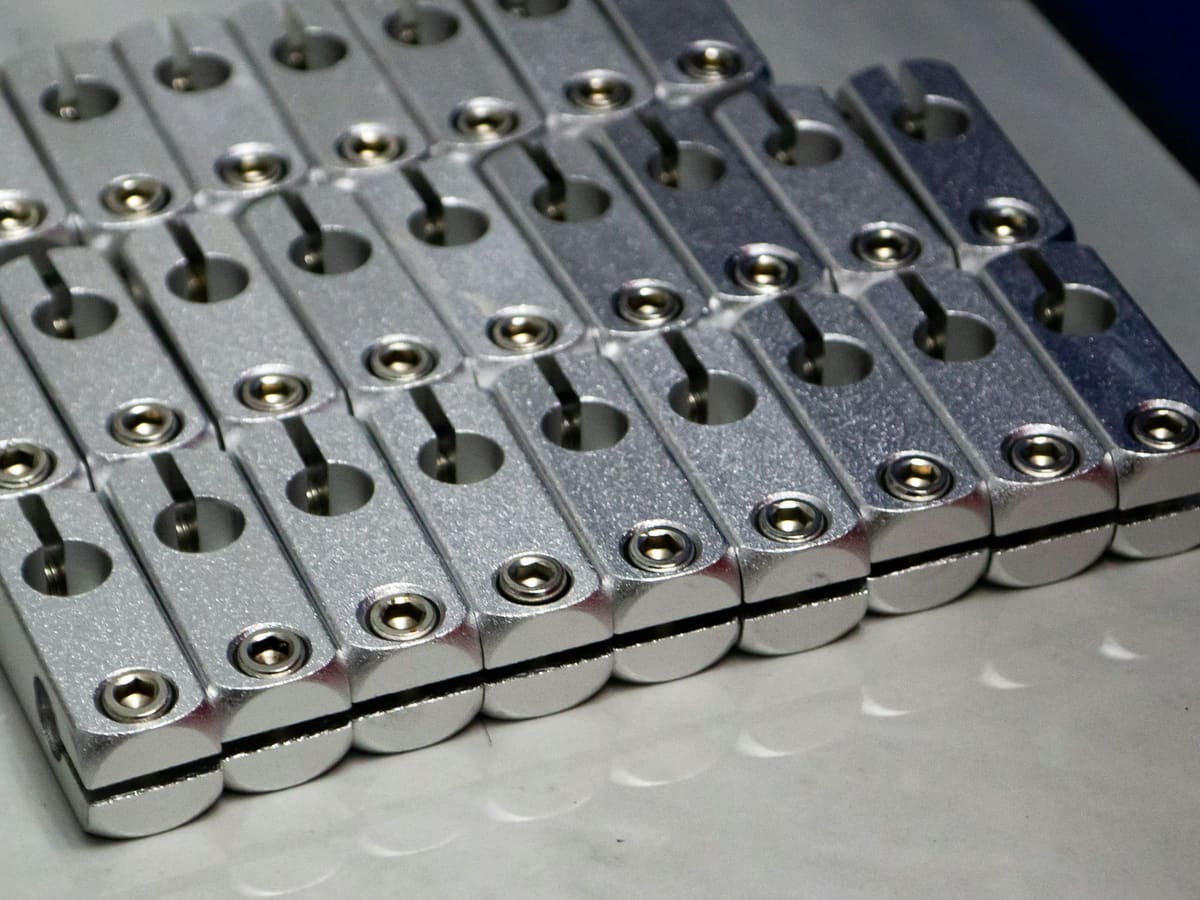
Enquiry inputs
Bulk & repeat tooling
Bulk and repeat tooling enquiries should be scoped around tool category, machine type, material use, quantities, timing, availability, product information and supply terms.
Repeat requirements are worth describing as a pattern rather than a single order. Knowing roughly how often a category is consumed, and how much lead time exists around it, makes the availability discussion far more realistic.
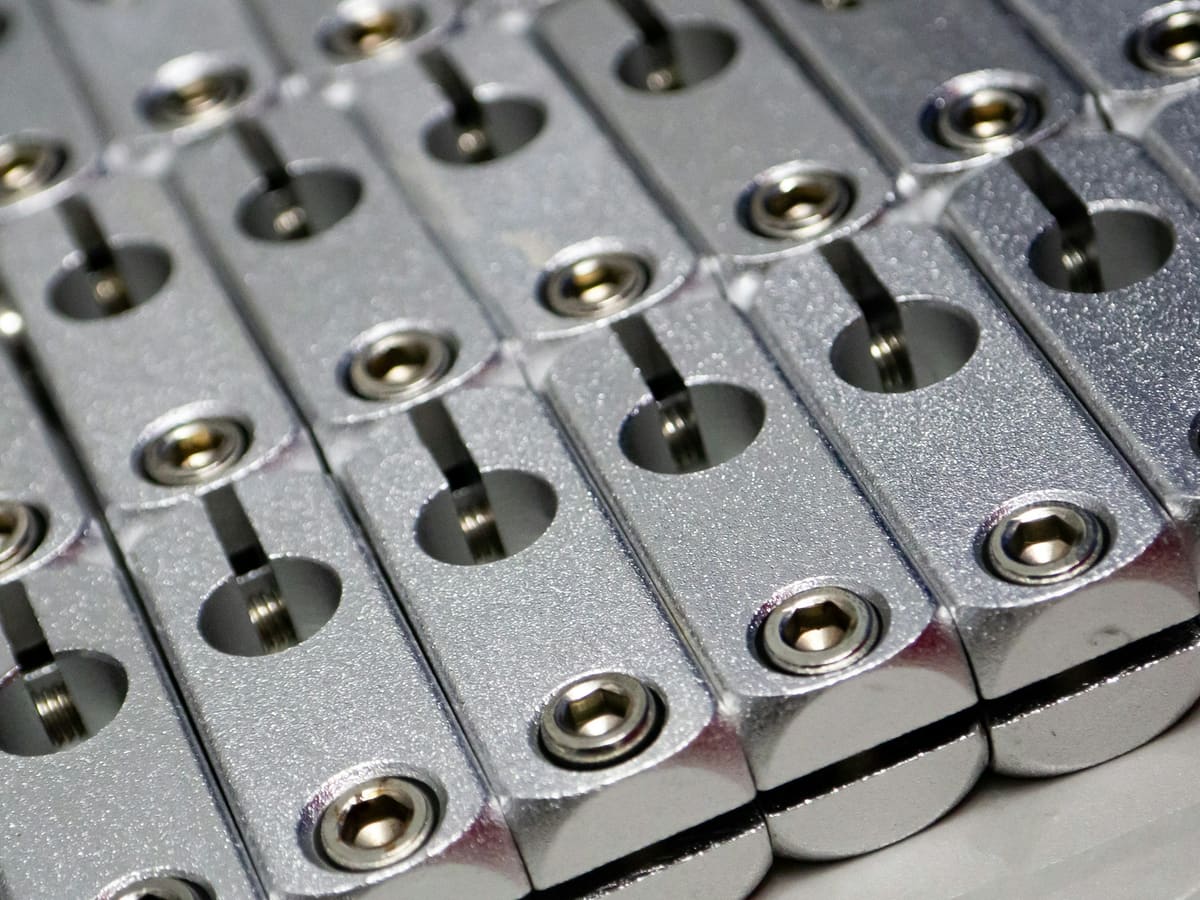
Scope of this page
Bulk and repeat enquiries are discussed as planning conversations. AxisCut Tools does not guarantee ongoing stock, does not operate trade accounts and does not commit to future availability. Each requirement is reviewed and confirmed directly before order.
Describing a repeat pattern
Estimates are fine. A rough pattern is far more useful than an exact figure for a single order, because it shows what the requirement actually looks like over time.
Roughly how much of a category is consumed in a typical week, month or production run.
Whether consumption is steady, seasonal or tied to specific jobs coming through.
How much notice normally exists before a top-up is genuinely needed on the floor.
Whether the requirement is one category in volume, or several categories in smaller amounts.
Planning, not commitment
Talking about a pattern helps both sides work out what is realistic. It does not create an ongoing obligation, a reserved quantity or a held position on any category.
Each order within a repeat pattern is still reviewed and confirmed on its own terms — category, availability, quantity, timing and supply responsibilities — before anything is agreed.
No standing guarantee
AxisCut Tools does not guarantee ongoing stock, reserved allocation, fixed pricing, trade accounts or future availability. Repeat discussion sets expectations only.
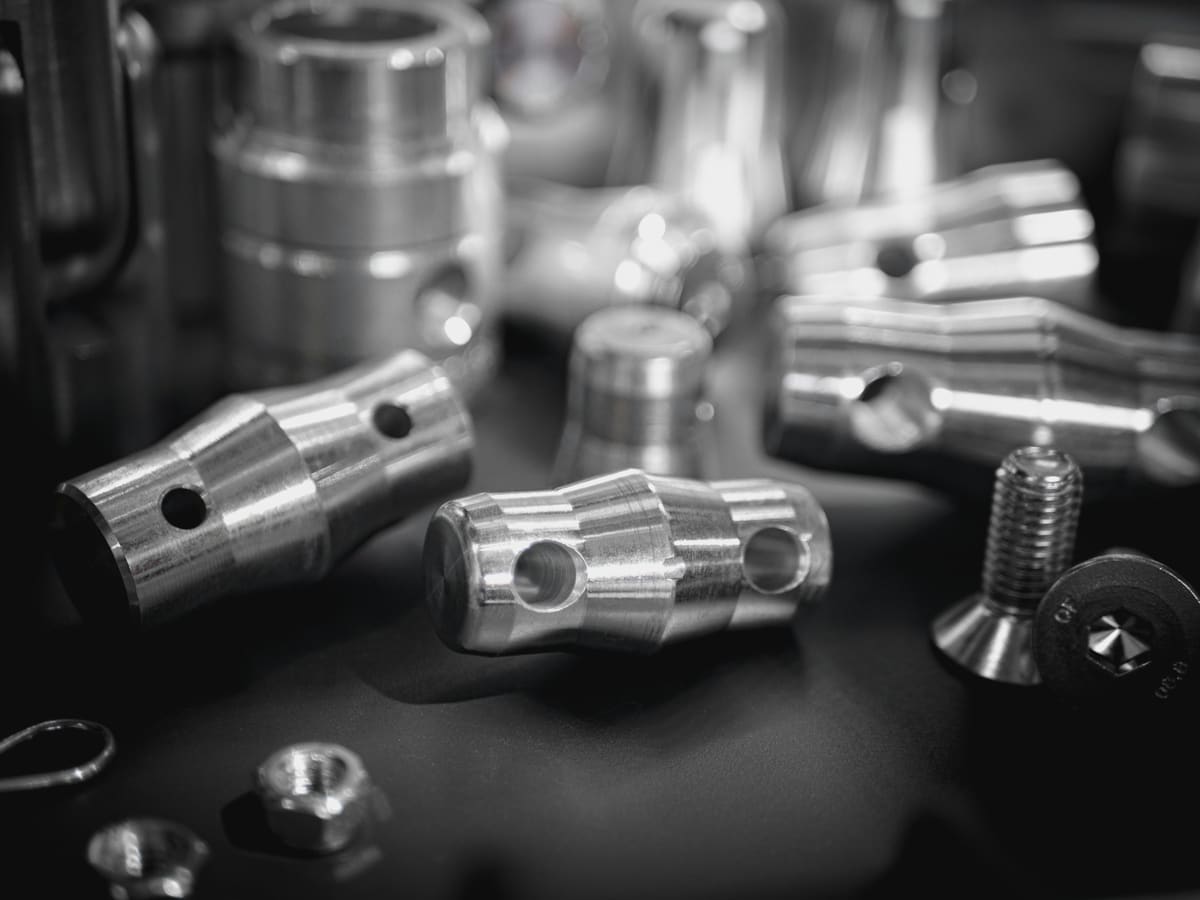
Related supply routes
Wholesale enquiries for machine tool categories, engineering equipment, workshop tooling and production-related machine tool requirements.
ExploreStructured enquiries for cutting tool categories, machining tools, fabrication tools and production-support tooling.
ExploreStructured discussion around tool category, machine compatibility, material use, quantities, availability, technical information, safety expectations and supply terms.
ExploreNext step
Describe the pattern — rate, rhythm and runway — and the planning discussion can start from there.